Comparing Natural Latex Mattresses: Comfort, Longevity, and Care
Explore the essentials of natural latex mattresses, including comfort characteristics, longevity, and care. This guide helps buyers weigh options across popular natural latex brands to find a sleep surface that aligns with their preferences.
As sleep science continues to evolve, testers and researchers alike increasingly emphasize the materials that comprise a mattress as a core determinant of lasting comfort. Natural latex sits at a crossroads between resilience and contouring compliance, offering a distinct feel that many sleepers find superior to synthetic foams. In this article, we compare the practical realities of natural latex mattresses, unpack the differences between Dunlop and Talalay processes, and review how reputed brands approach certifications, warranties, and care. Our aim is to equip readers with a framework to assess comfort, durability, and maintenance without promotional bias.
What makes natural latex different from synthetic foams
Natural latex is harvested from rubber trees and processed into latex foam that can be Dunlop, Talalay, or a blend. The fundamental distinction from synthetic foams lies in the source material and the microscopic structure of the foam cells, which influences feel, bounce, and responsiveness.
Dunlop latex typically yields a denser, more supportive core with a slightly more uniform feel, while Talalay latex is often lighter and airier, delivering a bounce that many sleepers describe as buoyant. Both processes can be used to balance firmness, pressure relief, and contour. For readers who crave a mattress that holds its shape under movement yet cushions pressure points, natural latex can offer a compelling compromise between support and comfort.
In comparing feel, it helps to consider how latex interacts with body weight and sleeping position. Back sleepers may prefer a steadier, mid-range firmness, while side sleepers might seek a surface that yieldingly accommodates shoulder and hip relief. Stomach sleepers often benefit from more robust support to minimize spinal misalignment. Latex’s resilience tends to maintain its loft over time, which is a core criterion in longevity assessments.
Brand-focused comparisons: Naturepedic and Healthy Choice latex options
Two brands frequently cited in natural latex conversations are Naturepedic and Healthy Choice, each outlining distinct approaches to materials, certification, and warranty coverage. Naturepedic is well-known for its emphasis on organic materials and transparent ingredient lists. Their latex-core mattresses often integrate organic Dunlop latex with layers designed to minimize chemical exposure while delivering a balanced feel. For shoppers prioritizing certifications, Naturepedic frequently highlights third-party standards such as GOTS (Global Organic Textile Standard) for fabrics and Global Organic Latex Standard (GOLS) relevant to latex production suppliers, along with environmental and safety disclosures.
Healthy Choice, while less universally known in every market, positions itself as a brand focusing on natural materials and practical design. In evaluating any brand that centers on natural latex, readers should scrutinize the latex source (Dunlop vs. Talalay), the presence or absence of flame retardants, the type of cover fabrics, and the overall construction of the sleep surface. Certification maps—where latex is produced, whether the mattress uses organic wool or cotton, and whether additional comfort layers use natural or synthetic materials—help buyers triangulate quality and safety.
When comparing brands, buyers should also consider the warranty framework. A robust warranty often signals confidence in the product’s durability and the company's support for ongoing sleep quality. Certifications and testing protocols, particularly regarding chemical exposure and environmental impact, matter to readers who value long-term health considerations alongside comfort.
Practical care and longevity tips for natural latex mattresses
Natural latex mattresses are celebrated for resilience, but like any sleep surface, they require thoughtful care to maximize lifespan. Below are practical guidance points distilled from industry practice and user experiences.
- Rotation and flipping: For most natural latex mattresses, rotating every three to six months during the first year helps ensure even wear. Flipping is less common with newer designs that are one-sided, but if your mattress is designed to be flip-able, follow the manufacturer’s guidance to preserve the latex’s integrity on both sides.
- Temperature and humidity: Latex breathes well, but extreme heat or humidity can affect the cover and wool components if present. Maintain a comfortable bedroom climate and avoid placing the mattress in direct sunlight where possible to minimize color fading or cover degradation over time.
- Protective layers: A breathable, natural cover helps preserve latex’s surface while acting as a barrier against sweat, oils, and dust. If your mattress includes wool or cotton components, the protective cover can further enhance longevity by reducing abrasion.
- Cleaning and spills: Address spills promptly using mild, pH-neutral cleaners as directed by the manufacturer. Avoid harsh solvents that could degrade natural latex or natural fiber covers. A gentle spot-clean approach preserves the surface texture and structural integrity of the latex core.
- Avoid pressure points: Latex naturally resists indentation, but misalignment during sleep can create uneven pressure over time. Ensure your bed frame and foundation provide stable, even support. A compatible slat foundation or a well-constructed box spring reduces localized stress on the latex core.
- Allergy considerations: For sensitive sleepers, natural latex is often a boon due to its antimicrobial properties and resilience against dust mites. However, if you have a latex allergy, confirm the materials and consider an alternative surface or cased latex with barrier protections as recommended by healthcare professionals.
A framework for selecting a natural latex mattress
Choosing a natural latex mattress involves aligning comfort preferences with material attributes and practical constraints. The following framework can help buyers navigate options with clarity.
- Determine your preferred feel: Decide whether you want a firmer, more buoyant surface or a softer, contouring feel. Consider your typical sleeping position and weight distribution. Latex’s elasticity can provide a stable foundational feel while still offering surface relief where needed.
- Identify the latex type: Understand whether the core is Dunlop or Talalay. Dunlop tends to be denser and more supportive, while Talalay offers a lighter, more plush surface. Some brands blend both or offer layered configurations for nuanced feel across the surface.
- Review certifications: Look for transparent reporting on organic content and third-party testing. GOTS and GOLS certifications, where applicable, signal attention to material sourcing and safety. Certifications help ensure you’re dealing with a mattress designed to minimize chemical exposure and environmental impact.
- Consider the cover and comfort layers: The cover fabric, any additional wool layers for temperature regulation, and the design of the comfort layers influence initial feel and long-term comfort. Natural fibers tend to perform well for breathability and tailorable temperature control.
- Assess warranty and service: A generous warranty, clear maintenance guidelines, and responsive customer service reflect brand confidence in durability. Read the fine print for coverage of indentation depth, sagging, and structural fidelity.
- Plan for the foundation: Latex mattresses interact with foundations differently depending on construction. Ensure your frame or box spring provides even support and compatible height. Some latex designs are optimized for adjustable bases, while others perform best on solid platforms or slatted foundations tuned for latex’s resilience.
Investing in a sleep surface that lasts
Durability is a defining advantage of natural latex. When compared with many memory foams and polyfoams, latex can retain its density and resilience for longer periods, contributing to a stable feel across years of use. However, longevity is not solely a function of material choice. Construction quality, cover materials, ventilation, and how well the bed is cared for all shape the mattress’s lifespan.
To maximize durability, prioritize a mattress built with high-quality latex blocks, a well-fitting cover, and a foundation that maintains consistent support. Regular rotation, careful handling, and avoiding exposure to extreme environmental conditions all support enduring performance. Buyers should also consider resale or take-back programs when available, as responsible lifecycle management aligns with broader sustainability goals and can offer value should you update your sleep system in the future.
Brand-backed considerations: Naturepedic and Healthy Choice in practice
Naturepedic’s approach often centers on transparent ingredient disclosure and organic materials. A Naturepedic latex mattress typically features a layered design where organic latex cores are paired with fabric covers and possibly natural wool or cotton components. The emphasis on organic fabrics and chemical-free construction appeals to sleepers seeking low-toxicity products. Customers should review product sheets for specific latex type (Dunlop vs. Talalay), density ranges, and warranty terms, as these figures influence feel and longevity.
Healthy Choice, as a brand, tends to highlight natural and eco-conscious design principles. When evaluating any brand in this space, shoppers should pay attention to the presence of third-party certifications, the composition of comfort layers, and the availability of detailed product data sheets. As with Naturepedic, the balance between comfort, safety, and durability emerges as a central theme in determining value and satisfaction over time.
A practical comparison: choosing among popular natural latex options
While product lines vary by market, a practical way to compare is to focus on core attributes: latex type, firmness options, cover materials, regulatory certifications, and warranty details. For readers near a showroom or with access to trial periods, a hands-on evaluation can complement online specifications. Remember that the best mattress for you is the one that aligns with your sleep posture, weight, temperature preferences, and long-term comfort expectations.
Care and maintenance: a short checklist for happy latex sleep
- Air out the mattress periodically if humidity is high in your area. - Use a breathable, natural cover that can be laundered as needed. - Rotate the mattress in line with the manufacturer's guidance, especially during the first year. - Avoid placing direct heat sources near the bed to preserve the cover and any wool components. - Periodically check foundation alignment and ensure the bed remains stable to prevent uneven wear.
Conclusion: natural latex as a durable, responsive choice
Natural latex mattresses offer a unique blend of buoyant support and pressure relief, with a longevity profile that can outpace many alternative foams. The choice between Dunlop and Talalay processes matters for feel, while brand-specific touches—certifications, cover materials, and warranties—shape overall satisfaction. In the end, a thoughtful comparison that weighs comfort, safety, and care routines will guide buyers toward a sleep surface that not only feels right on night one but continues to perform well for years to come.
Product spotlight
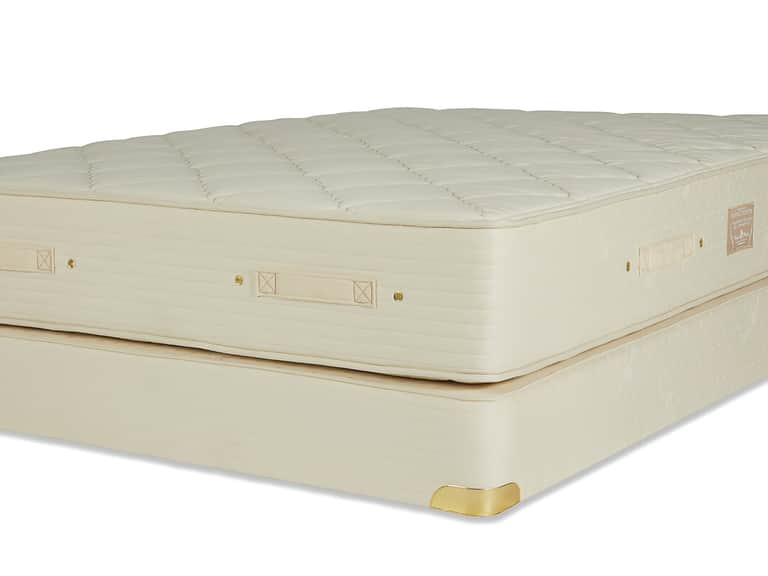
Royal-Pedic Premier Natural Latex Quilt-top Mattress — A premium, all-natural latex core encased in layers of chemical-free wool and long-staple cotton, designed for firm support with plush surface feel. Suitable for adjustable bases and built to endure. Price: 7,728.00.
This model emphasizes a layered approach to comfort, combining a substantial latex core with natural wool for temperature regulation and moisture management. The construction supports stable alignment while offering a surface that remains responsive over time. Foundation and box-spring systems are designed to complement the core’s natural bounce.
Note: The product spotlight above reflects a real-world offering and is included to illustrate how high-quality natural latex solutions appear in contemporary catalogs. Always verify current availability, pricing, and warranty details with the retailer.
Glossary: key terms in natural latex mattresses
- Latex: A natural material derived from rubber tree sap processed into foam; can be Dunlop, Talalay, or blends. - Dunlop: A denser latex process often yielding firmer cores and robust support. - Talalay: A lighter, more airy latex process that tends to feel plush near the surface. - GOLS: Global Organic Latex Standard; a certification for organic latex production, ensuring material care from source to factory. - GOTS: Global Organic Textile Standard; a certification for organic fabrics used in mattress covers or components. - Core vs. comfort layers: The core provides structural support; comfort layers give surface feel and pressure relief. - Indentation: The degree to which a mattress retains a hollow impression under weight; a common longevity metric for rating durability.
Sources and further reading
For readers seeking depth beyond brand descriptions, consult peer-reviewed sleep science literature and standards bodies that address material safety, environmental impact, and consumer protections. Look for independent reviews, lab testing results, and regulatory disclosures that highlight the real-world performance of latex mattresses over time.
This article follows a non-promotional, information-focused approach, presenting criteria, comparisons, and care guidance to help readers make informed decisions. It references established industry concepts and emphasizes the importance of certifications, warranty terms, and maintenance practices in achieving long-lasting satisfaction with a natural latex mattress.
Published September 30, 2026. Written with a Time magazine editorial voice: measured, authoritative, and accessible to readers seeking clarity on a complex product category.